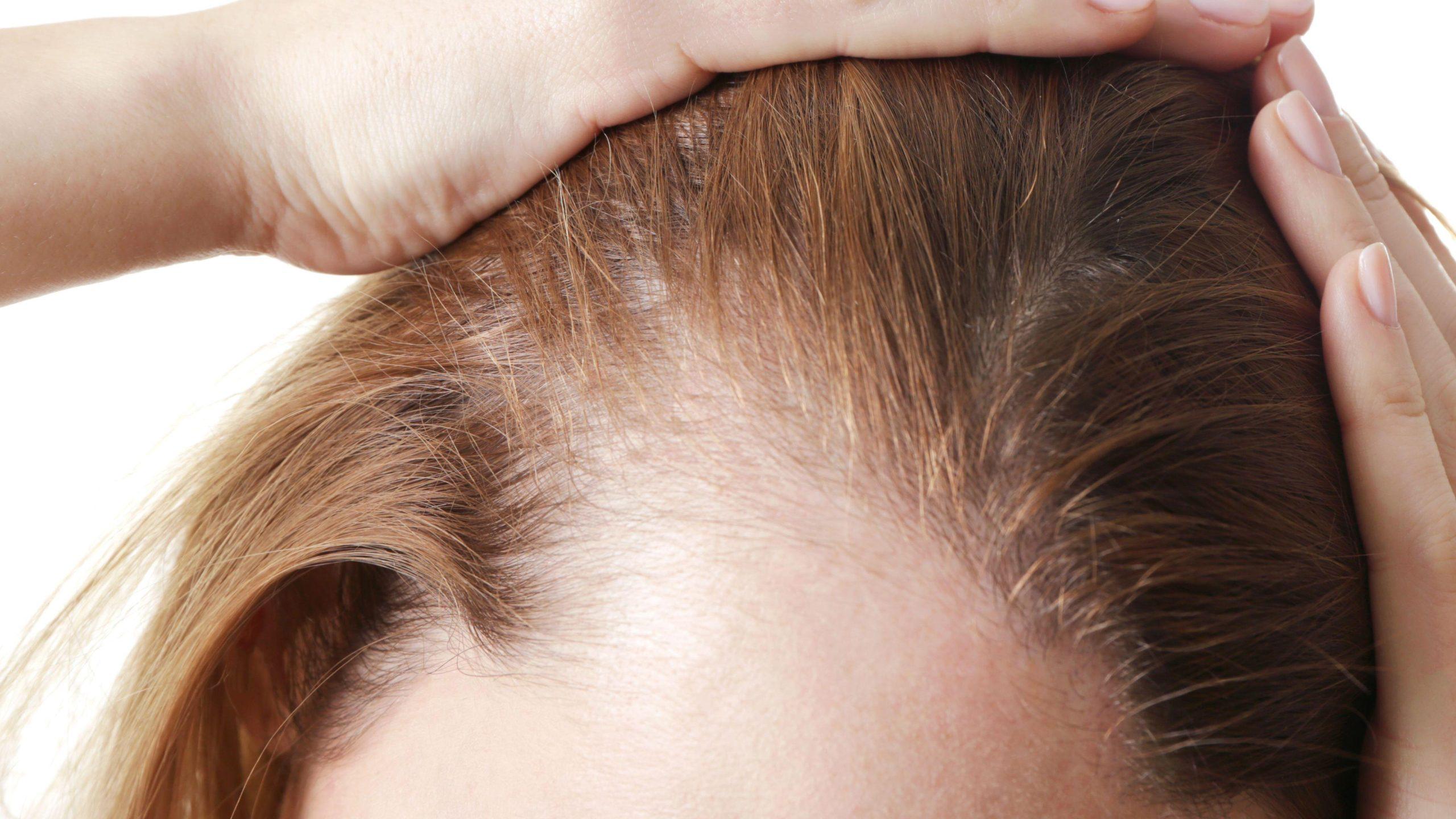
The Link Between Hormones and Hair Loss
Hormones play a crucial role in regulating many functions within the body, including the hair growth cycle. When hormonal levels become unbalanced, it can lead to noticeable changes in hair thickness, shedding, and overall hair health. Understanding how key hormones influence hair growth can help identify the cause of certain types of hair loss.
Testosterone
Women naturally produce small amounts of testosterone. However, when testosterone levels increase or become imbalanced, it can contribute to hair thinning on the scalp while promoting thicker, darker hair growth on other areas of the body. One of the most common conditions associated with elevated testosterone in women is Polycystic Ovary Syndrome (PCOS).
Testosterone can also convert into a hormone called dihydrotestosterone (DHT). DHT plays an important role during puberty by contributing to the development of male characteristics such as deeper voices, increased muscle mass, and body hair.
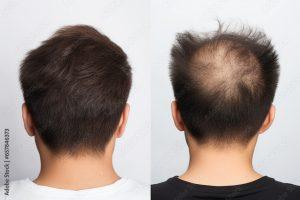
Later in life, however, DHT can have a different effect on the scalp. It can shrink hair follicles and shorten the hair growth cycle, which may result in gradual thinning, increased shedding, or a receding hairline. This process is commonly associated with male pattern hair loss, female pattern hair loss, and androgenetic alopecia. Genetics often determine how sensitive hair follicles are to DHT.
Oestrogen
Oestrogen is closely connected to healthy hair growth. Many women experience fuller, thicker hair during pregnancy due to increased oestrogen levels that keep hair in the growth phase for longer.
When oestrogen levels decline, such as during menopause, hair may gradually become thinner. Hormonal fluctuations caused by certain contraceptive pills can also impact oestrogen levels and, in some cases, lead to temporary hair shedding.
Cortisol (The Stress Hormone)
Cortisol is released by the body in response to stress. When stress levels become particularly high, such as after a major life event or emotional trauma cortisol levels can rise significantly.
This increase can disrupt the hair growth cycle and push hair follicles into a resting phase. As a result, individuals may experience noticeable shedding or thinning a few months after the stressful event has occurred.
Thyroid Hormones (T3 and T4)
The thyroid gland produces hormones that regulate metabolism and many other bodily processes, including the hair growth cycle. When thyroid hormones become imbalanced, whether due to an overactive or underactive thyroid, the hair cycle can be disrupted.
This disruption can lead to symptoms such as excessive shedding, thinning hair, or hair that becomes dry and brittle.
Seeking the Right Support
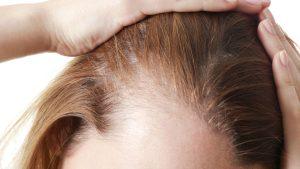
If you are noticing changes in your hair, such as thinning, increased shedding, or a change in texture, hormones may be a contributing factor. The key to managing hormonally related hair loss is identifying the underlying cause.
Professional hair and scalp consultations can help determine the most likely cause of hair loss and guide you towards the most suitable treatments or medical options available.
Description
Hormones can have a powerful impact on the health and growth cycle of your hair. When key hormones such as testosterone, oestrogen, cortisol, or thyroid hormones become imbalanced, they can disrupt normal hair growth and lead to thinning, shedding, or pattern hair loss. Conditions like Polycystic Ovary Syndrome (PCOS), menopause, high stress levels, and thyroid disorders are all common hormonal triggers that can affect the scalp and hair follicles. Understanding the connection between hormones and hair loss is an important step toward finding the right treatment. In this article, we explore how these hormones influence hair growth, why imbalances occur, and what options are available to help manage hormonally related hair loss and restore healthier, fuller-looking hair.